




The people who use our boards.
421 interviews since 2018



Johan
Strand
Full Stack Developer
Who are you, and what do you do? What do you like to do outside of work?
Hi, I am Johan Strand and I live in Stockholm, Sweden. I’m a full stack developer (I avoid calling myself an engineer, as I never completed that degree). I first got paid for coding about six years ago. After working in various tech and tech-adjacent roles, then going through an accelerated learning program (salt). My first developer job was at a medium-sized Swedish e-commerce company. I have now been working at a growing payments company for about five months now. As we are a small, tight-knit team I need to be useful across the whole codebase. Fortunately I now have very competent and experienced colleagues to learn from and help push me to be a better developer.
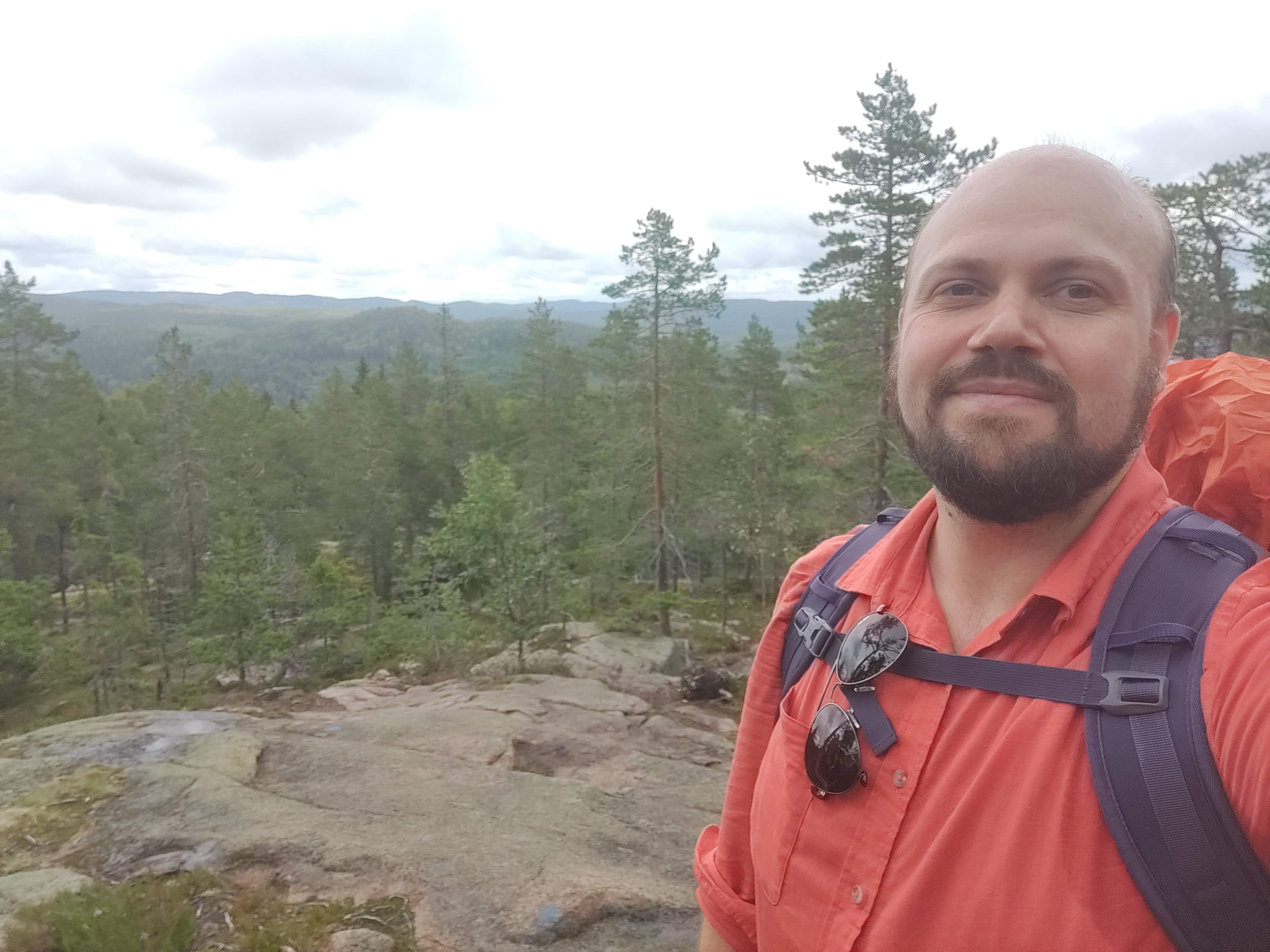
Outside of work, I spend a fair amount of time with projects that look a lot like more work. The main one at the moment is what I think of as a guerrilla cloud: a private cloud for compute and storage that can run across an arbitrary number of nodes where the nodes can have very diverse levels of availability. Some might sit in a datacentre and stay online 24/7. Others might be old hardware that appears for a few hours a week on an unstable connection. I want the system to make use of both. The goal is a single binary; sprinkle some auth on top and voilà, you have a new node. I’m building it with Tailscale, NATS, and Go, mostly because they make this kind of experiment pleasant and plausible. Other projects include a dev-cli for our company, a Gleam Lustre blog backed by NATS and some forays into machine learning (more specifically predictive coding).
When discussing software, I usually manage to mention TigerBeetle sooner or later. TigerBeetle, a high-performance database for financial transactions, is an inspiring software project when it comes to technical achievements, process, and communication. I watched a long line of talks, and one talk about TigerBeetle really hooked me. The people behind it seem very competent. It’s inspiring to see people pushing the limits in areas I’m interested in myself. They also have some very cool demos showing off both performance and resilience. Very nerdy, very cool.
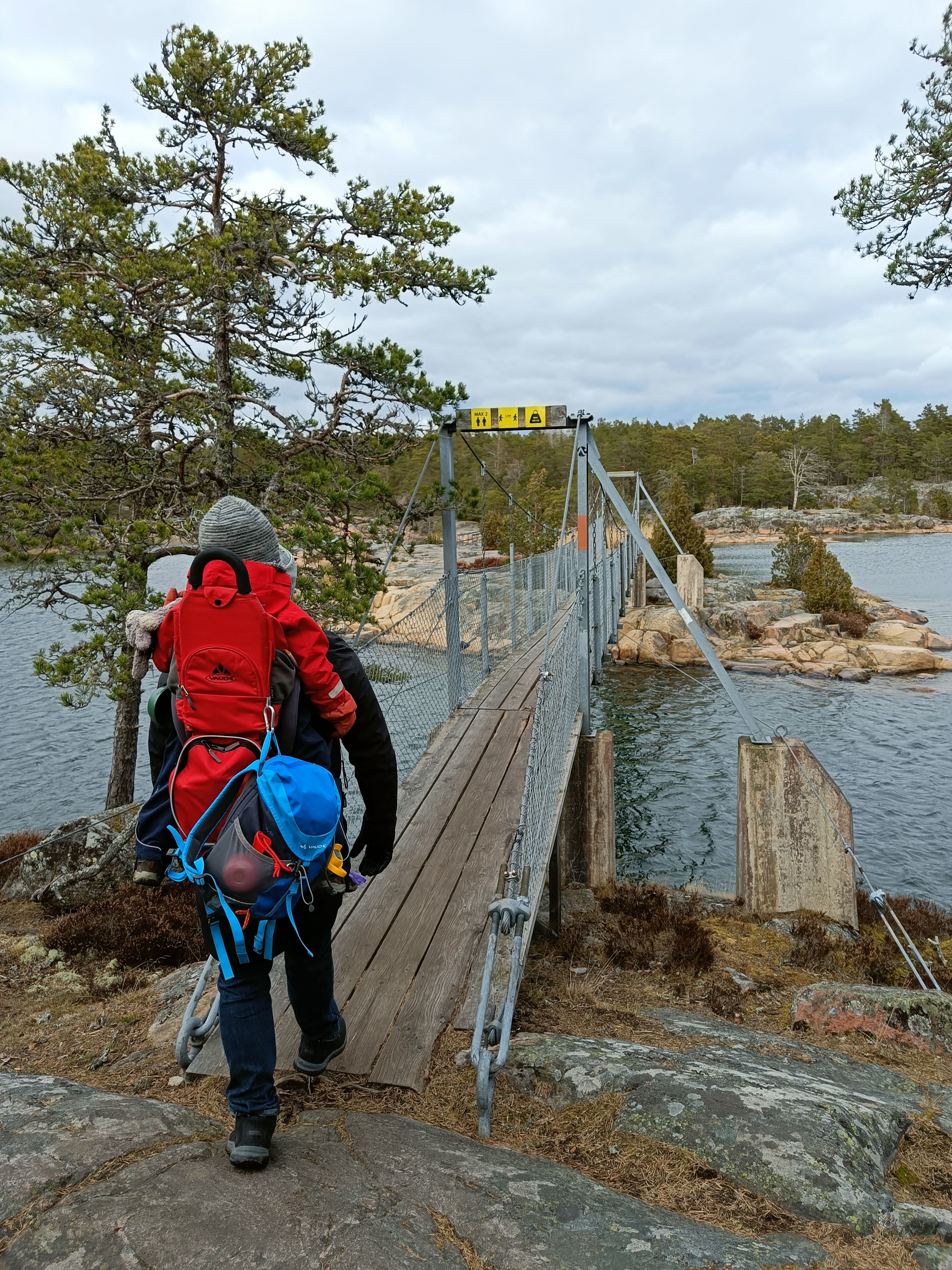
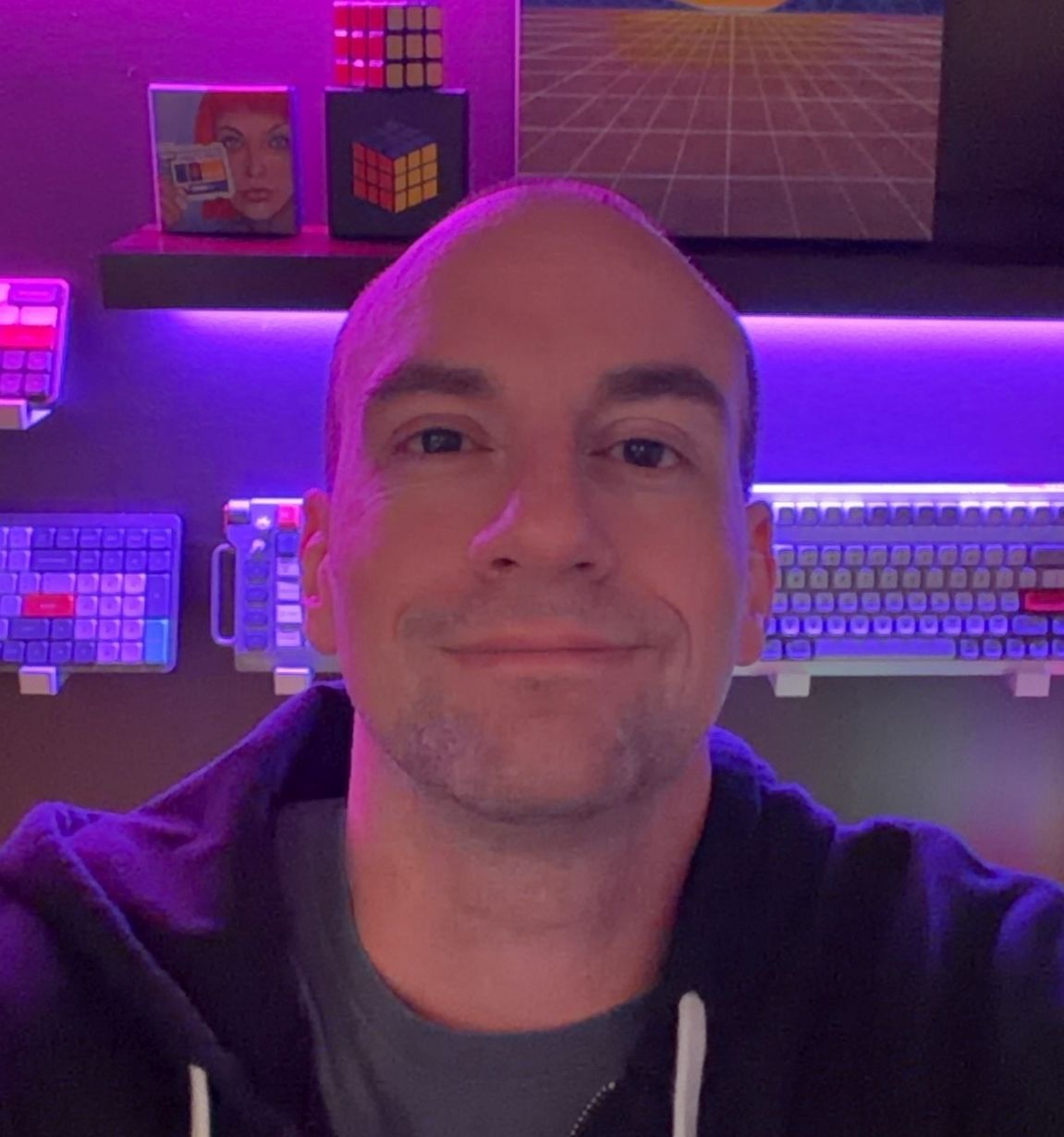
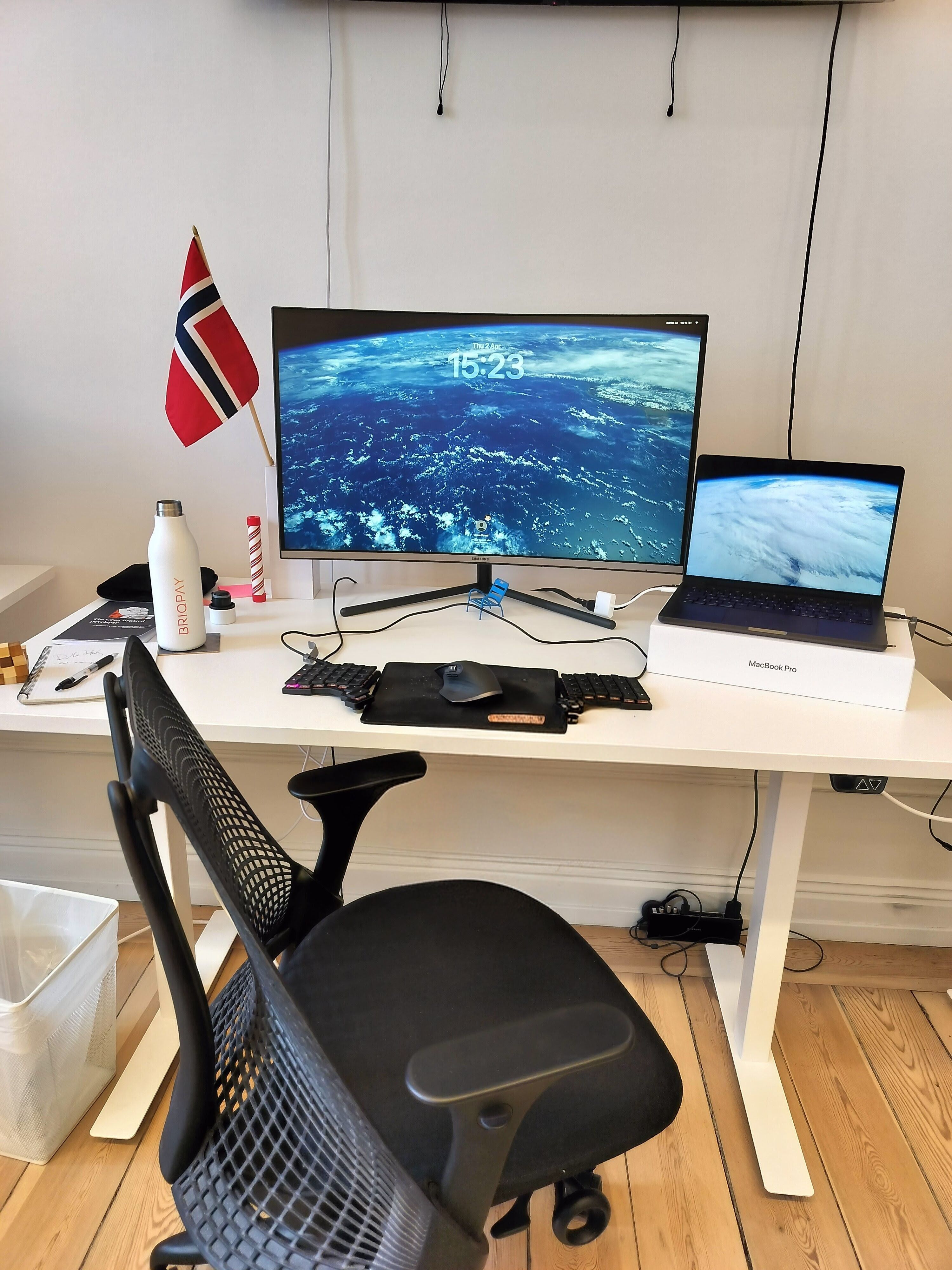
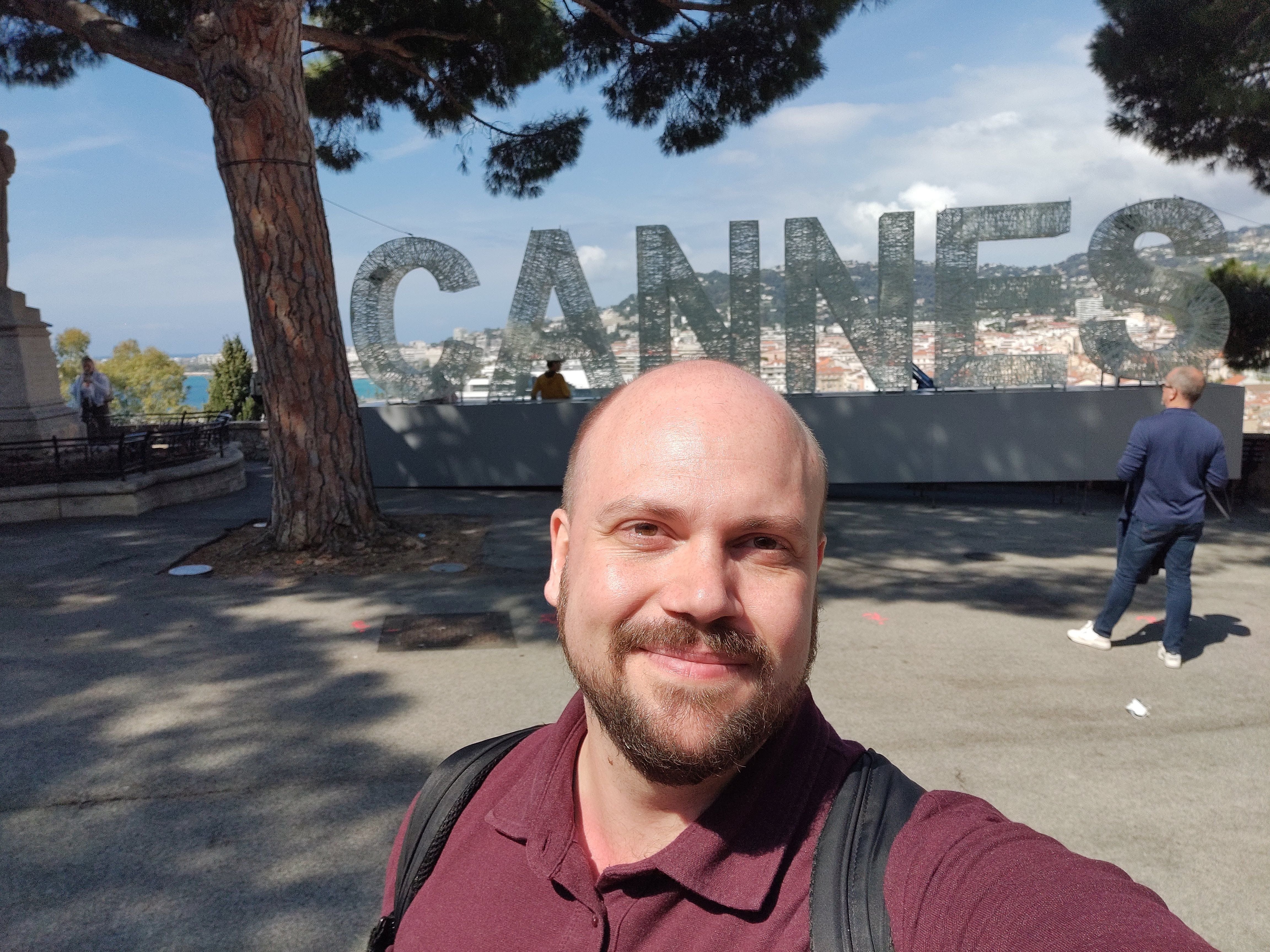
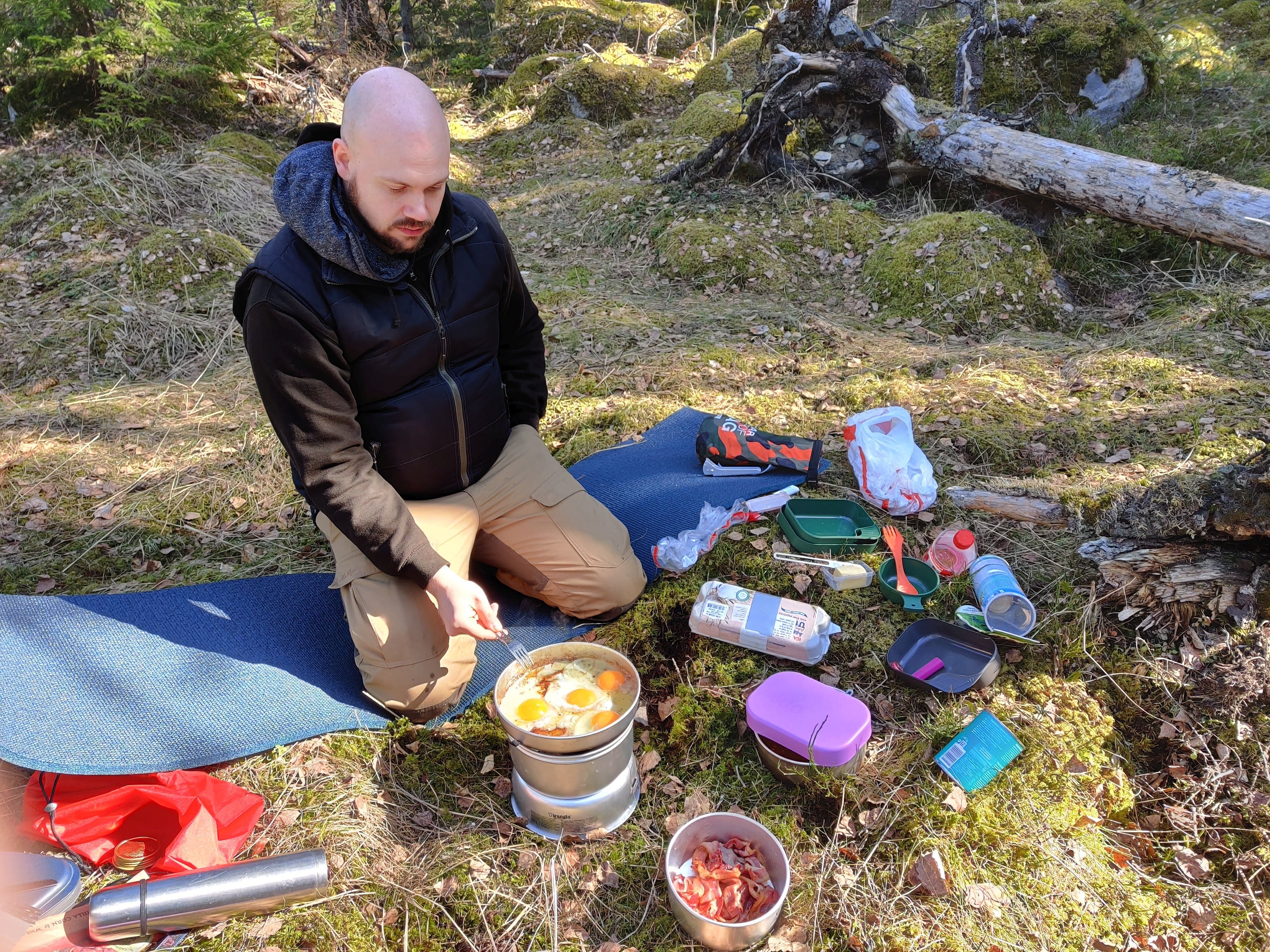
Outside of computers entirely, I’m a husband and a father. We try to spend time hiking in the Swedish fells, though a small child has changed the kind of trips we embark on recently. I also like spending vacation time in Nice. For the eagle-eyed, there is a hint about this on my desk.
I read and listen to a lot of books, especially sci-fi. I also listen to a lot of varied music. Lately I’ve been listening to Samuel Barber, In This Moment, Nightwish, Queen, Justice, Magic Sword, Mick Gordon, and BTSM and many many more. I keep somewhat up-to-date with space news and science in general.
Not that long ago, I used to spend a lot of time gaming. But at some point I noticed that programming triggers a similar dopamine response for me. I’ve been riding that wave since then.
What hardware do you use?
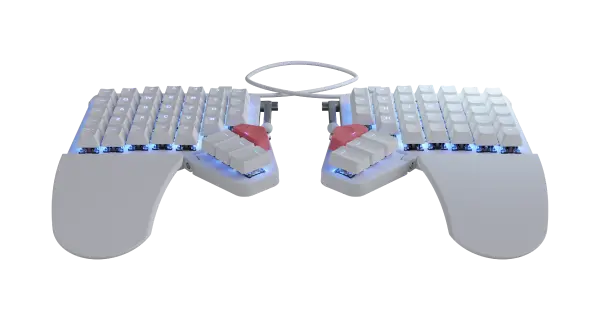
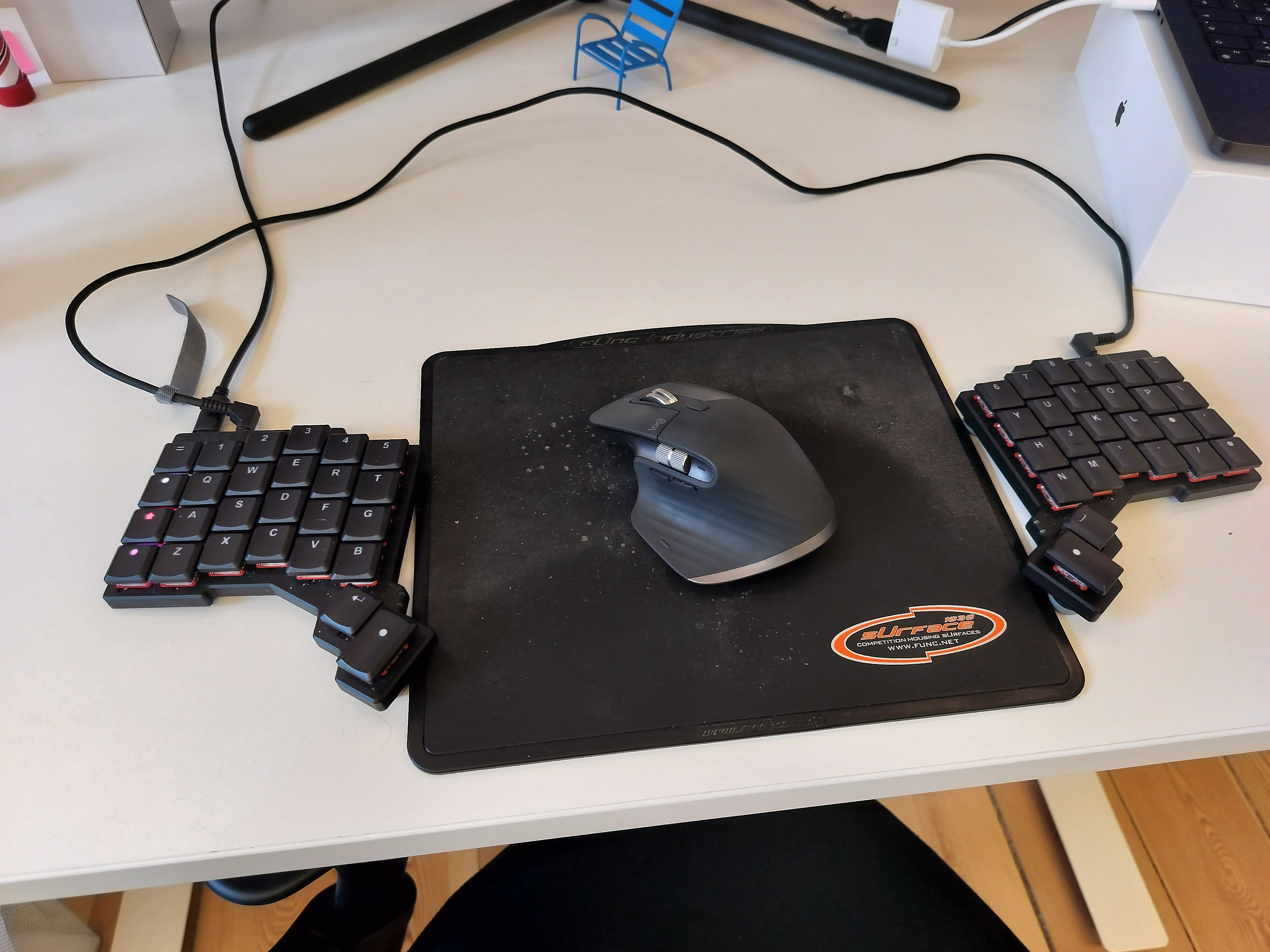
My daily setup is a ZSA Voyager, a MacBook Pro M4, and a Logitech MX Master 3S. I use a single decently sized monitor and no dock. On the move I’m happy with just a laptop, and if I am to work for an extended amount of time I’ll plop down the Voyager on each side of the laptop.
I wore out my first ergonomic keyboard at my previous job. Some iiglo ergo keyboard I bought mostly to see if I could get used to a split keyboard, that was two years ago. After switching workplaces I decided to order the Voyager. I figured that if I was forced to go from Windows to Mac, to learn a new codebase, adapt to using a debugger with TypeScript, get into a new way of working, as well as figuring out where I could create the most value for a team, all at once, I might as well add trying a small split keyboard to the pile. What could go wrong? In short, it went well! I bounced back and forth between my Apple Magic keyboard and the Voyager a lot in the beginning. Slowly I got my speed back and I really don’t feel the strain on shoulders and wrists that I used to feel. It took a couple of months, but I have settled. Now I feel working is faster, more fun, and healthier.

And what software?
My software setup is fairly minimal: Cursor for coding, Ghostty for terminal work, Zen for browsing, and Obsidian for notes and reference material.
Raycast is awesome for those of us who don’t like lifting our hands from the keyboard. Most navigation goes through it. Window management relies on it. I use it to jump directly to the tools I need instead of hunting for windows or relying on multiple desktops or monitors. I keep apps maximized rather than full-screen, and I avoid separate desktops because switching between them adds just enough animation and friction to annoy me. Raycast makes the whole machine feel as snappy as I know it should be.
What’s your keyboard setup like? Do you use a custom layout or custom keycaps?
I use a modified QWERTY layout. I kept the base layout I already knew because I didn’t see a compelling enough reason to “relearn” the alphabet. I still use laptop keyboards often enough that keeping that muscle memory made more sense than starting over.
I’m using low-travel, light and silent switches with noise dampening rings under the keys and the “international keycaps,” the ones without printed special characters. The base layer stays familiar and the board itself looks cleaner, and the key legends don’t pretend to explain what the layers are doing.
The layout currently uses three main layers. The base layer is standard QWERTY. One layer handles numbers and special characters. Another is for arrow keys, window management, media controls, and backlight controls. Since I still use a mouse or trackpad for some work, I’ve duplicated a few commands to both halves of the board so I can do things like cycle the active window one-handed with either hand.
It has been a very iterative setup. Some parts are polished, some parts are there because they survived several rounds of edits, and a few are basically fossils from abandoned experiments. There’s a macro layer in there that I never really committed to, mostly because Raycast turned out to be a better answer for a lot of what I thought macros would solve.

What would be your dream setup?
The futuristic version is a discreet pair of Apple smart glasses and the ability to touch-type midair.
The realistic version is that I’m already very close to what I want. The current setup is compact, fast, and good enough that most of the remaining improvements are about shaving off small annoyances rather than fixing actual problems.
I still use the mouse, but over time I try to move repeated actions onto the keyboard wherever it makes sense. That is the general direction: less reaching, less context switching, fewer tiny interruptions.
Can you recommend a few books, movies, TV shows, or games (digital or otherwise) that you’re quite into?
There are so many, but right now I’m especially excited for the second book in The Captive’s War series by James S.A. Corey, the pen name of Daniel Abraham and Ty Franck, who also wrote The Expanse.
As for recommendations, I’d put Foundation by Isaac Asimov and just about anything by Robert A. Heinlein near the top of the list, especially The Moon Is a Harsh Mistress, Time Enough for Love, and Stranger in a Strange Land. I’d also recommend Altered Carbon by Richard K. Morgan, the Bobiverse books by Dennis E. Taylor, Mona Lisa Overdrive by William Gibson, The Girl with All the Gifts by M.R. Carey, He Who Fights with Monsters by Shirtaloon, the Hyperion Cantos by Dan Simmons, The Left Hand of Darkness by Ursula K. Le Guin, and of course The Expanse.
If I were to pick one or two to highlight, it would be the Hyperion Cantos and Foundation among the classics, and The Expanse among more modern books.
One of the best things about books is that they can change how we think and how we see the world. And sometimes, a good book is just an escape. Different books for different occasions.

Answer: The blue chair is part of Nice history.