


The people who use our boards.
424 interviews since 2018
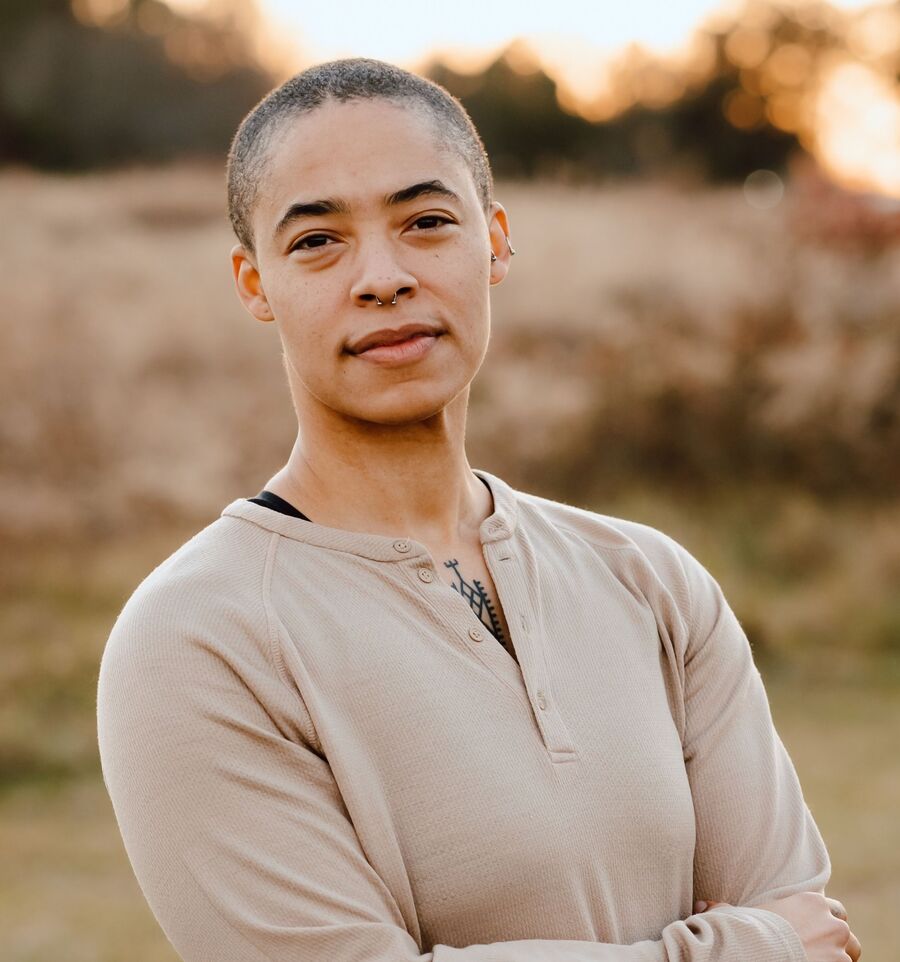



Matt
Patterson
Software Engineer
Who are you, and what do you do? What do you like to do outside of work?
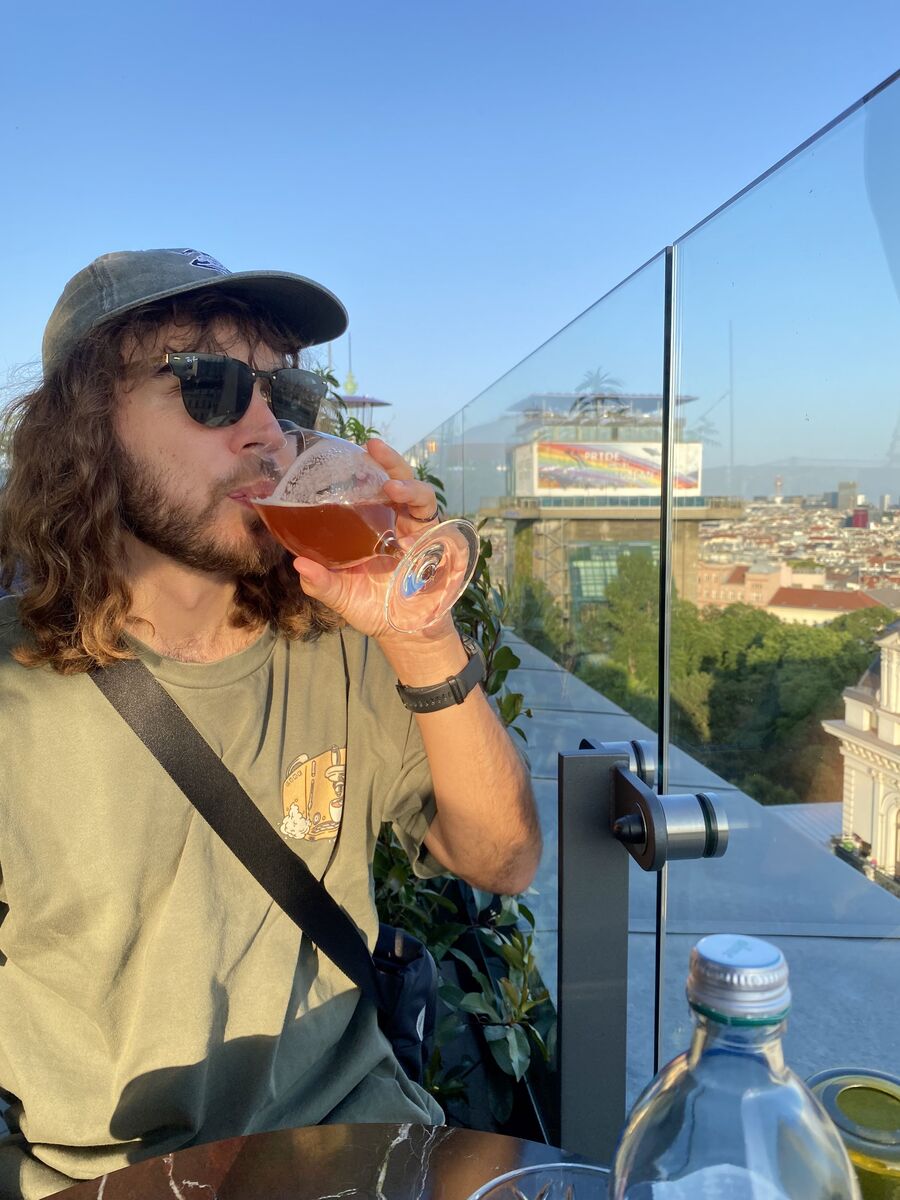
I'm Matt Patterson, a frontend software engineer at Canva. I focus on building new features within settings and improving the overall UI/UX. I also manage a couple of projects outside of work, including Oppyfinder and Tokyo Chuko, both of which help people discover secondhand and vintage stores.
Outside of work, I enjoy tinkering with electronics—mostly with retro devices and smart home automation. I'm also a metalhead and love going to live gigs when I can. There's something about the energy of live music that helps me disconnect from screens and recharge.
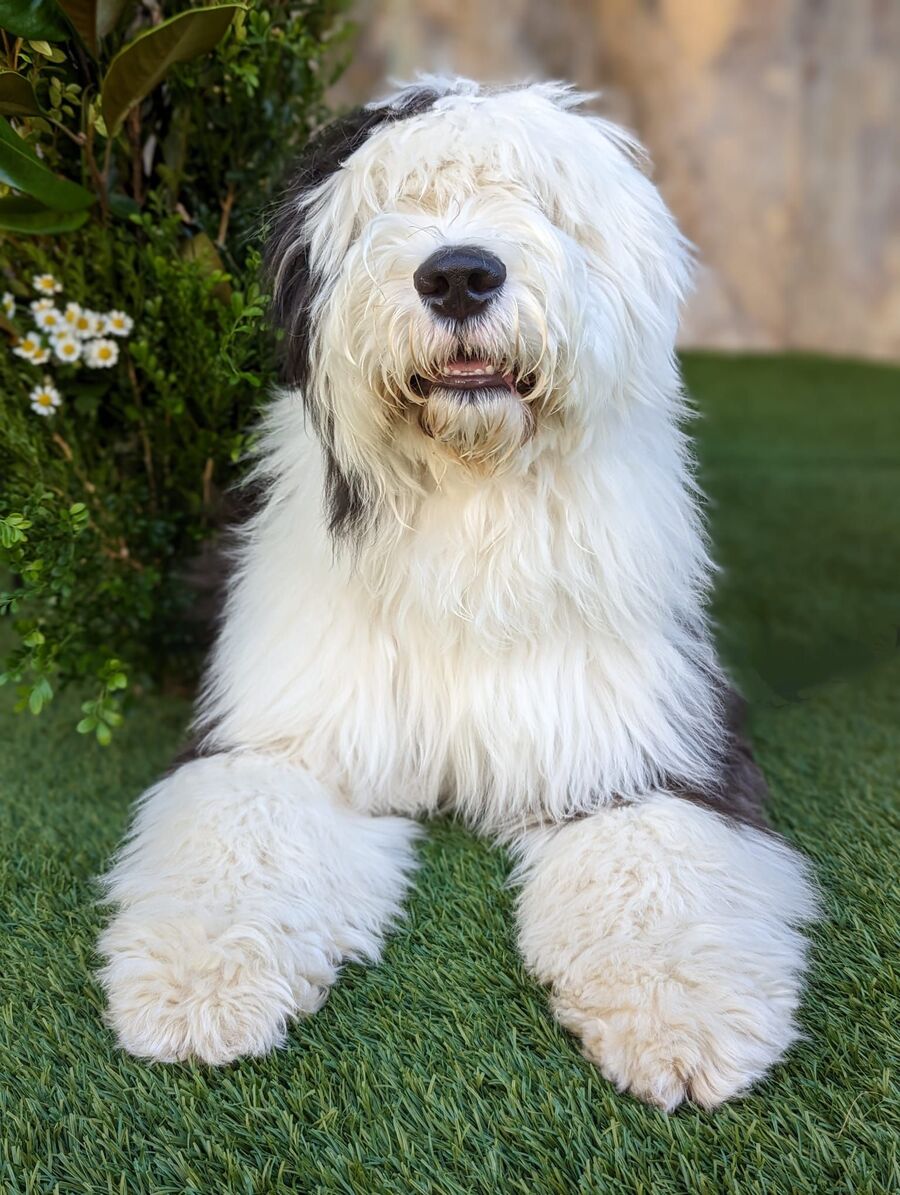
I spend a lot of time at the park with my dog, Obi. He's an Old English sheepdog with plenty of energy. Recently, I've started learning Japanese, primarily to be able to watch anime without subtitles, but also to keep my mind active. It's been surprisingly great for meeting new people too.
What hardware do you use?
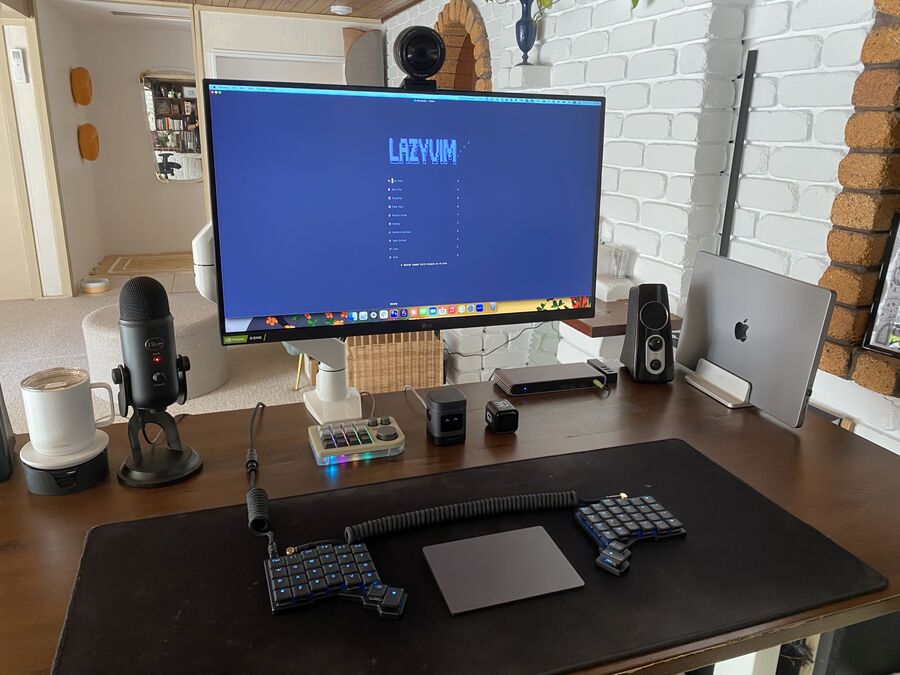
I use a single-monitor setup with my clamshelled MacBook Pro. I like the minimalist nature of using a single monitor, knowing that wherever I am working I get a pretty consistent experience.
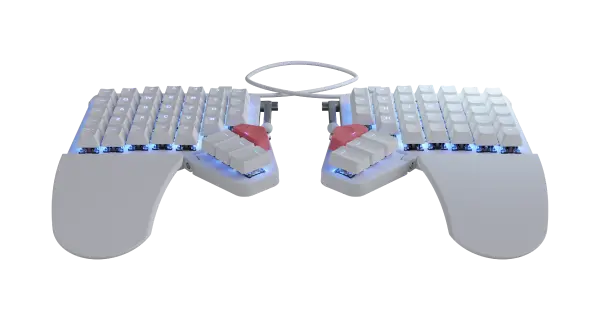
I use the Voyager keyboard with the trackpad positioned between the two halves. While I have experimented with variations like tenting and wrist rests, I find this approach to be the most comfortable and versatile.
And what software?
I primarily use Neovim for coding. Maybe you're starting to see a pattern here, but Neovim is great for versatility and speed. I can use the same Neovim config across all of my different environments, and it works consistently everywhere. It mostly works well out of the box, though I've vibe-coded a few plugins to improve my workflow and efficiency when working with large codebases like Canva's. A simple yet effective one is lualine-lsp-info.nvim, which helps me track LSP memory on the fly.
For Java development, I switch to IntelliJ IDEA, and I'll use VS Code when collaborating with teammates who aren't familiar with Vim. I also use Vimium in the browser to maintain consistent keyboard navigation across all my tools.
What’s your keyboard setup like? Do you use a custom layout or custom keycaps?
I use a standard QWERTY layout on my Voyager with the stock keycaps. I wanted to reduce the friction when learning to use a split keyboard, though I'm open to one day learning another layout, such as Colemak-DH.
For switches, I use a combination of Twilight and Nocturnal switches. This mix provides a good balance—they're quiet enough for office use but have enough resistance that I can rest my fingers on the home row without accidental key presses. Someone on Reddit recommended this combination when I was looking for quieter switches for the office, and it's worked out perfectly. I also use Shhhocs to further dampen the sound.
The split keyboard took about six months to fully adapt to. I initially tried using it part-time while working, but eventually had to commit fully and accept the temporary productivity hit. It was worth it though—I'm now a better touch typist than I ever was on a standard keyboard.
What would be your dream setup?
I'm actually pretty close to my dream setup. It's simple, effective, and versatile. I use the same setup at home as I do in the work office. I'm really looking forward to the trackpad accessory for the Voyager, as that might be one of the only changes I would make in the near future.
As I've gotten older, I've become more conscious about the long-term sustainability of my career. I want to be able to continue programming for the next thirty years, and that means taking care of my hands now. The split keyboard was the first step in that direction, and adding voice control would be the next.
I learned the importance of ergonomics the hard way—trying to maintain intense work and gaming schedules just isn't sustainable without the right setup. Now I'm more focused on finding tools and techniques that will let me work efficiently without causing strain or pain.
The goal is to have a setup that's both productive and sustainable, allowing me to continue doing what I love for decades to come.